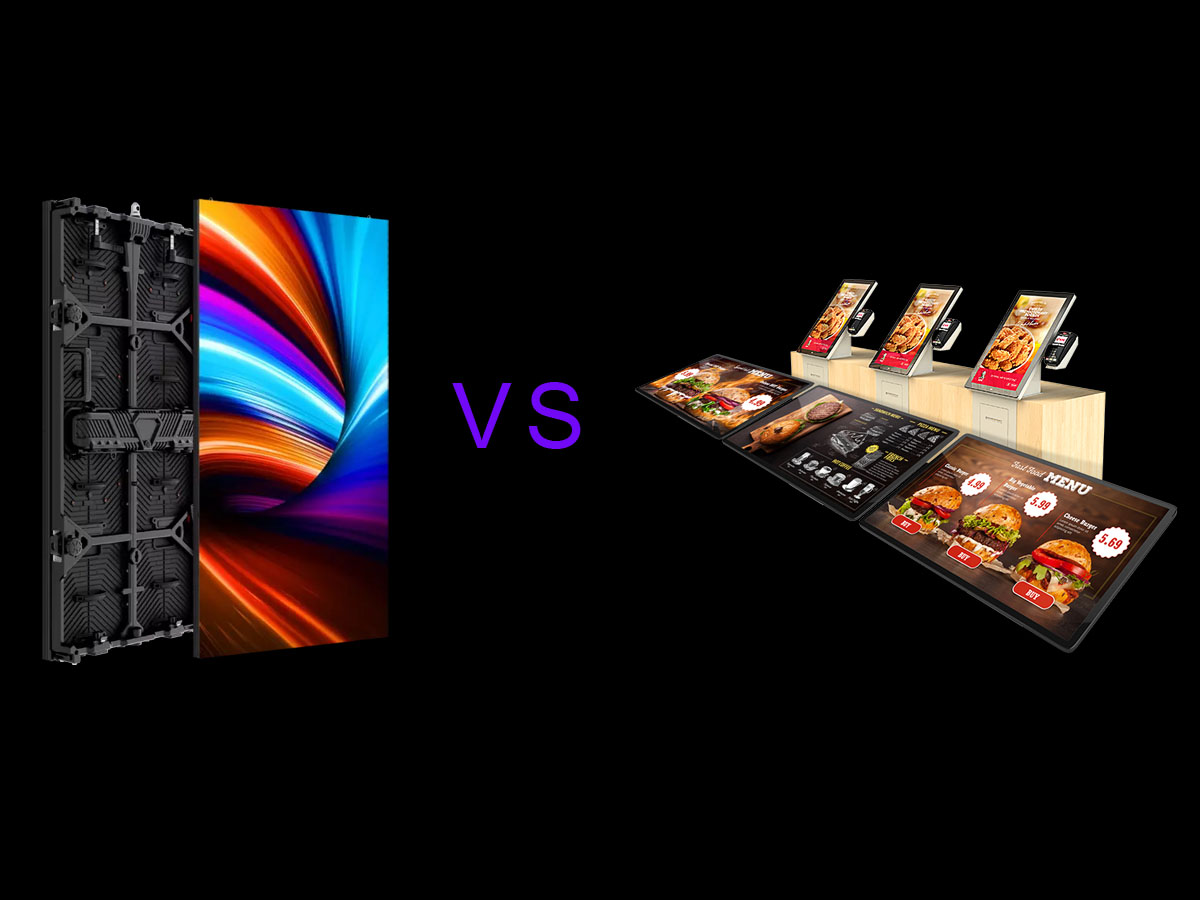
Is LED better than LCD?
The comparison between LED and LCD displays can be a bit nuanced, as "LED" displays are actually a type of LCD display. The key difference lies in the backlighting:
LCD (Liquid Crystal Display):
Uses liquid crystals to control light passing through.
Traditionally uses fluorescent lamps (CCFLs) for backlighting.
LED (Light-Emitting Diode) LCD:
Also uses liquid crystals.
Uses LEDs for backlighting, which offers several advantages.
Here's a breakdown of the key differences and where LED generally excels:
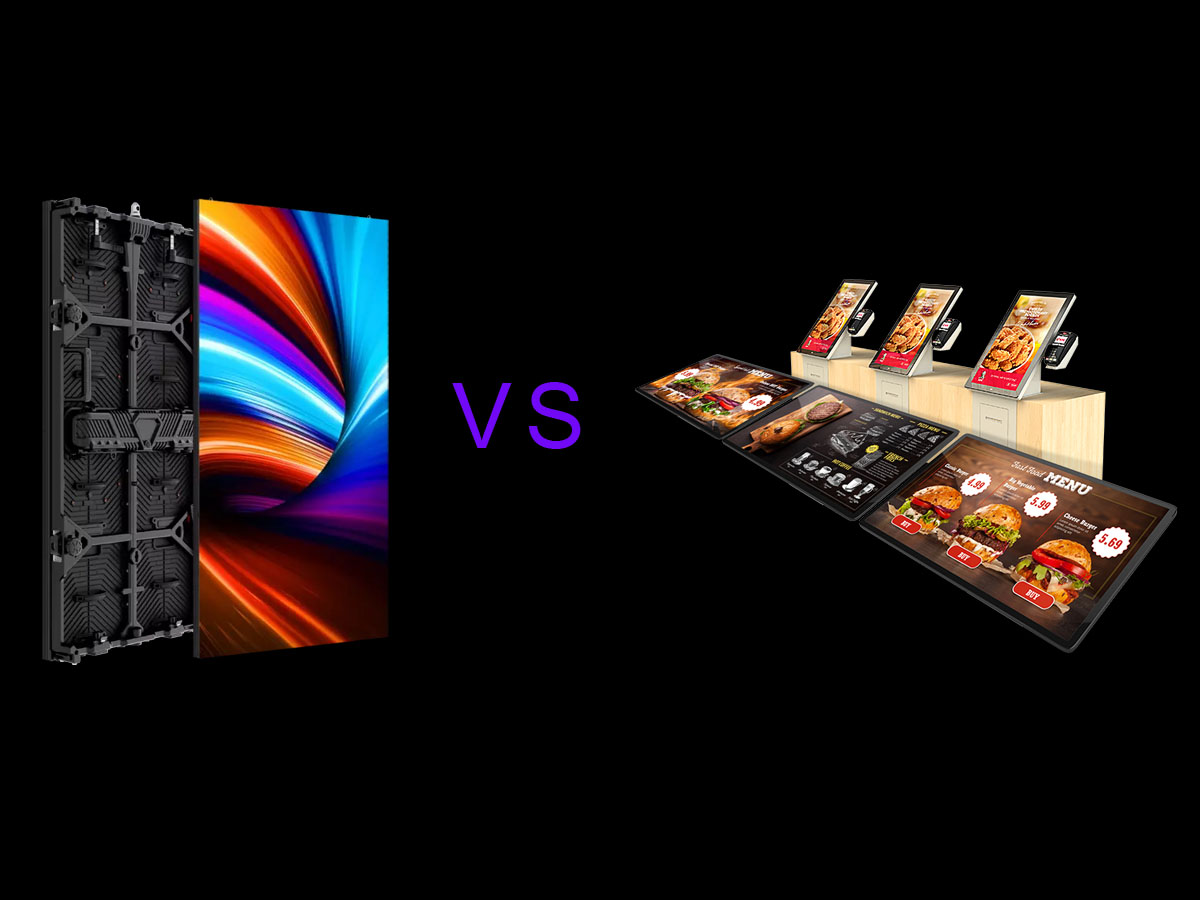
Picture Quality:
LED displays often offer better contrast ratios, producing deeper blacks and brighter whites.
They can also provide more vibrant and accurate colors.
Energy Efficiency:
LED backlighting is generally more energy-efficient than CCFL backlighting, leading to lower power consumption.
Slim Design:
LEDs are smaller than CCFLs, allowing for thinner and lighter displays.
Lifespan:
LEDs tend to have a longer lifespan than CCFLs.
Brightness:
LED displays are capable of higher levels of brightness, this is very important for displays that are to be used in brightly lit areas, or outdoors.
Therefore, in most modern contexts, when people talk about "LED vs. LCD," they're really comparing LED-backlit LCDs to older CCFL-backlit LCDs. And in that comparison, LED is generally considered superior.
However, it's important to note:
LCD technology itself continues to evolve, and there are variations in both LCD and LED displays that can affect performance.
The "best" display depends on individual needs and preferences, as well as the specific application.
In summary, LED-backlit LCDs have largely become the standard due to their advantages in picture quality, energy efficiency, and design.