What are LED displays?
Okay, so I need to explain what LED displays are. Let me start by recalling what I know. LED stands for Light Emitting Diode. I think LED displays are screens that use these diodes to produce images. But how exactly do they work?
First, I remember that LEDs are those small lights used in electronics. They are energy-efficient and have a long lifespan. So an LED display would be made up of many tiny LEDs. Maybe arranged in a grid? Each LED acts as a pixel? Or maybe clusters of LEDs make up a pixel.

Wait, there's something about different colors. Each pixel in a display usually needs to produce different colors, right? So maybe each pixel has red, green, and blue LEDs. By mixing these colors, you can get various hues. That makes sense. So an LED display uses combinations of red, green, and blue LEDs to create the colors we see.
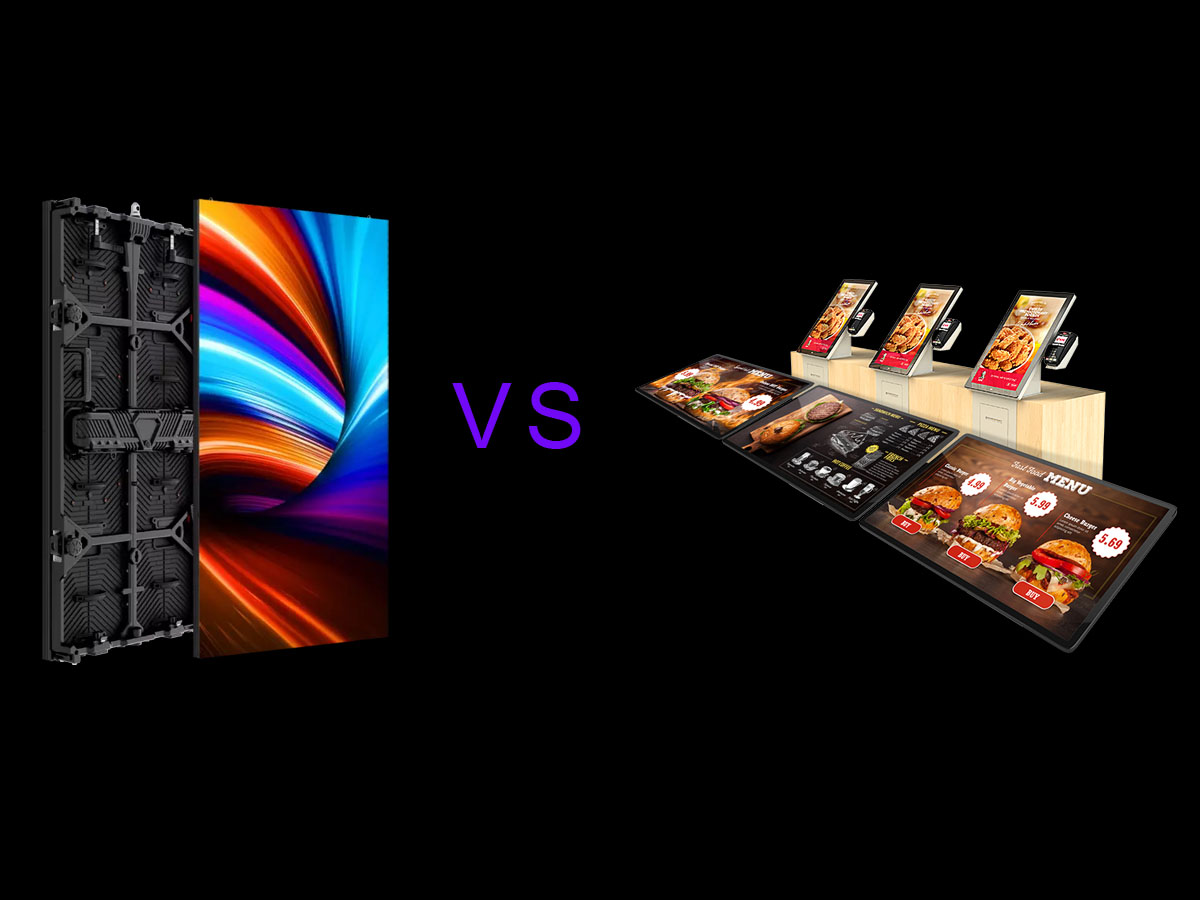
But how is this different from regular LED-backlit LCD screens? Oh, right, some TVs and monitors are called LED TVs, but they're actually LCDs with LED backlighting. So a true LED display doesn't use liquid crystals; the LEDs themselves are the light source and the pixels. That must be why they're brighter and have better contrast.
I should mention the types of LED displays. There's the traditional ones used in billboards and large screens, which use discrete LEDs, and then there's OLED, which is different. OLED stands for Organic LED, right? Each pixel is an organic compound that emits light when electricity is applied. But OLED is a different technology, so maybe I should clarify that when talking about LED displays.
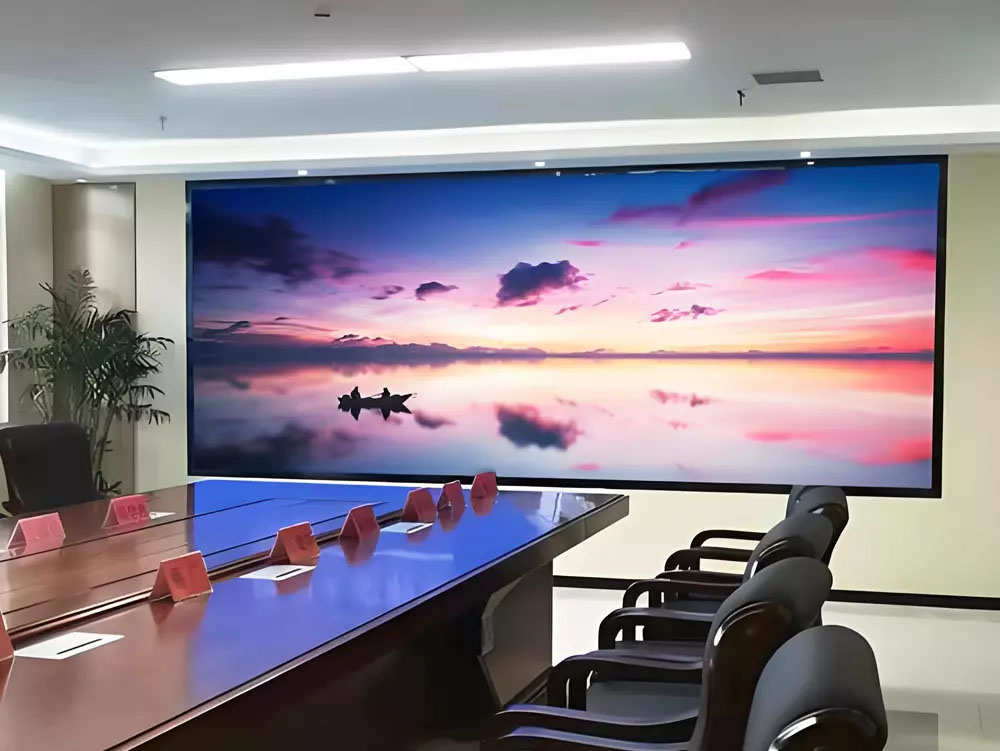
Also, common applications: like big outdoor billboards, scoreboards in stadiums, maybe indoor screens for events or concerts. LED displays are known for being visible in direct sunlight and having high brightness. They can be modular, so you can make large screens by combining multiple panels.
Resolution and pixel pitch are important terms. Pixel pitch is the distance between the centers of two adjacent pixels. Smaller pixel pitch means higher resolution because the pixels are closer together, so the image is sharper, especially when viewed up close. For large screens viewed from a distance, a larger pixel pitch is acceptable.
Energy efficiency is another point. LEDs don't consume as much power as other lighting technologies, so LED displays are more efficient, which is good for large installations where power usage matters.
Lifespan: LEDs last a long time, so maintenance isn't as frequent. But maybe over time, individual LEDs can fail, causing dead pixels. However, in high-quality displays, they might have redundancy or easier replacement.
Then there's control systems. LED displays require controllers to manage the content being displayed. Maybe they can be connected to computers or media players, and there's software to manage the content.
Also, maybe touch about the difference between LED and other display technologies like LCD, plasma, or OLED. LED displays are emissive, meaning each pixel emits its own light, whereas LCDs require a backlight. That allows for true blacks in LEDs since they can turn off individual pixels.
Wait, but OLED can do that too. So maybe clarify that traditional LED displays (like for billboards) use inorganic LEDs, while OLEDs are organic and used in things like smartphone screens. But the term LED display usually refers to the inorganic type, especially in large formats.
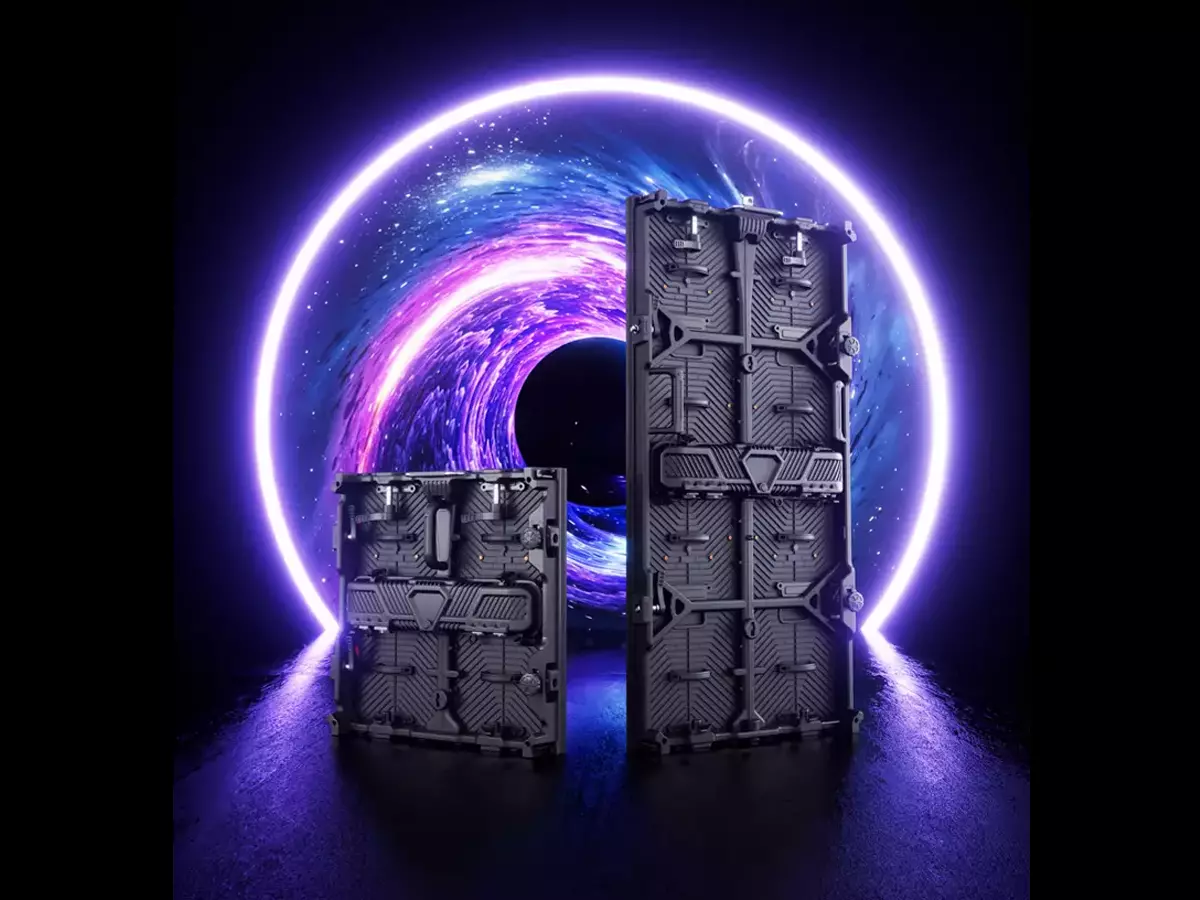
Also, mention the structure: LED modules, cabinets, and the support structure. Large displays are made by assembling multiple modules together. The viewing angle is another factor; LEDs have wide viewing angles, which is good for public displays.
Hmm, maybe I should structure this into sections like definition, how they work, types, applications, advantages, and disadvantages. But the user just asked for what LED displays are, so maybe a concise explanation covering the main points.
Wait, let me check if I'm confusing microLED with regular LED displays. MicroLED is a newer technology where tiny LEDs are used for each pixel, allowing for high-resolution displays. But that's more for consumer TVs. Traditional LED displays for billboards might have larger LEDs and lower resolution.
So, in summary, LED displays are screens that use an array of light-emitting diodes as pixels. Each pixel can consist of red, green, and blue LEDs to create full color. They are used in large outdoor displays, digital billboards, and indoor screens where high brightness and durability are needed. They offer advantages like high brightness, energy efficiency, long lifespan, and modularity. Different from LCDs which use backlights and liquid crystals, LED displays emit their own light, allowing for better contrast and visibility in various lighting conditions.
I should make sure to mention common uses, how they create images, the technology behind them (RGB LEDs), types (indoor vs outdoor, maybe direct view vs modular), and their benefits compared to other display types.